
Padel Tournaments and Leagues: Compete and Track Results
Discover how to find local padel tournaments, prepare for competitive play, and build a strong tournament record. This complete guide covers everything from tournament selection to performance tracking for padel players at all levels.

Competing in padel tournaments transforms your casual play into a structured competitive journey. Whether you're a beginner looking for your first local match or an experienced player aiming to climb regional rankings, understanding how to find, prepare for, and track your tournament performance is essential for growth.
The padel tournament landscape offers opportunities for every skill level, from friendly club competitions to international championships. This guide will walk you through everything you need to know about entering the competitive padel scene and building a record that reflects your progress.
Finding Local Padel Tournaments
Discovering padel tournaments in your area requires knowing where to look and understanding the different competition formats available. Most tournaments are organized through local clubs, regional federations, and online platforms that connect players with competitive opportunities.
Start by checking with your home club's calendar. Many padel facilities host monthly or quarterly tournaments exclusively for members, which serve as perfect entry points for competitive play. These club-level events typically feature divisions based on skill level, ensuring you compete against players of similar ability.
Regional padel federations maintain comprehensive tournament calendars on their websites. These organizations sanction official competitions that contribute to national ranking systems. Create accounts on your country's padel federation website to receive notifications about upcoming sanctioned events in your region.
Online tournament platforms have revolutionized how players find competitions. Websites and apps dedicated to padel tournaments allow you to search by location, date, skill level, and format. Many platforms integrate with club management systems, making registration and payment seamless.
Social media groups focused on padel in your city or region often share information about informal tournaments and pickup competitions. Join local padel Facebook groups, follow Instagram accounts of nearby clubs, and connect with other players who can alert you to upcoming events.
Consider the tournament format that matches your goals. Round-robin tournaments guarantee multiple matches regardless of results, making them ideal for gaining experience. Elimination brackets offer intense competition but may limit playing time if you lose early. Americano and Mexicano formats rotate partners and opponents, providing variety and networking opportunities.
Entry fees vary significantly based on tournament prestige and organization level. Local club events might charge $20-40 per player, while regional championships can range from $50-150. International tournaments command higher fees but offer professional-level competition and facilities.
Preparing for Competitive Play
Tournament success requires more than technical skills. Mental preparation, physical conditioning, and strategic planning separate competitors who thrive under pressure from those who struggle when matches matter most.
Develop a pre-tournament training plan at least four weeks before your event. Increase your playing frequency to 4-5 sessions per week, focusing on match-play scenarios rather than isolated drills. Practice serves under pressure, work on consistency over power, and simulate game situations with scoring.
Physical conditioning becomes crucial as tournament days often involve multiple matches with limited recovery time. Build cardiovascular endurance through interval training that mimics padel's stop-start nature. Incorporate agility drills, lateral movements, and explosive exercises that translate directly to court performance.
Study the tournament rules and format thoroughly. Different competitions may use varying scoring systems, time limits, or tie-break procedures. Understanding these details prevents confusion during critical moments and allows you to strategize effectively.
Partner chemistry can make or break your tournament experience. If you're competing in doubles (which most padel tournaments require), practice extensively with your partner beforehand. Develop clear communication signals, establish court positioning agreements, and identify each player's strengths to leverage during matches.
Mental preparation often receives less attention than physical training but proves equally important. Visualization exercises help you mentally rehearse successful shots and positive outcomes. Practice maintaining composure after mistakes, as tournament pressure amplifies emotional responses.
Pack your tournament bag the night before with everything you'll need. Include at least two rackets (in case of breakage), appropriate clothing for weather conditions, extra grips, water bottles, energy snacks, and any medical supplies like tape or pain relievers. Having backups prevents minor issues from derailing your performance.
Arrive at the venue early to familiarize yourself with the facilities, warm up properly, and settle any nerves. Rushing to matches increases stress and reduces your ability to perform at your best. Use the extra time to observe courts, check lighting conditions, and mentally prepare.
Nutrition and hydration strategies should begin days before competition. Avoid experimenting with new foods immediately before your tournament. Stick to familiar meals that provide sustained energy without causing digestive issues. During competition, consume small amounts of easily digestible carbohydrates and maintain consistent hydration.
Tracking Tournament Performance
Systematic performance tracking transforms tournament participation from isolated events into a continuous improvement process. Recording detailed match data reveals patterns, identifies weaknesses, and documents your competitive journey.
Create a tournament journal that captures both quantitative and qualitative data from each competition. Record basic information like date, location, opponents, scores, and final placement. Then add context about playing conditions, your physical state, and strategic decisions that influenced outcomes.
Modern padel club management platforms often include built-in performance tracking features. These systems automatically record match results, calculate statistics, and generate progress reports. Platforms like Paddelino integrate tournament data with your training history, providing comprehensive insights into your development.
Track specific performance metrics that indicate skill progression. Monitor your first-serve percentage, unforced errors, winners, break point conversion, and points won at the net. These statistics reveal technical areas requiring attention and validate improvements from focused practice.
Video analysis provides invaluable feedback that memory alone cannot capture. Record your matches whenever possible, then review footage to identify tactical mistakes, positioning errors, and technical flaws. Compare recordings over time to visualize concrete improvements in your game.
Maintain records of opponents you've faced, including their playing styles, strengths, and weaknesses. This database becomes increasingly valuable as you encounter the same players in future tournaments. Knowing an opponent's tendencies allows you to prepare specific strategies.
Document your mental and emotional state throughout tournaments. Note when pressure affected your performance, which situations triggered anxiety, and how you responded to adversity. This self-awareness enables targeted mental training between competitions.
Set measurable goals based on your tracking data. Rather than vague objectives like "play better," establish specific targets such as "reduce unforced errors by 15%" or "win 60% of points at the net." Concrete goals create accountability and direction for improvement efforts.
Share your performance data with coaches or experienced players who can provide expert analysis. Fresh perspectives often identify issues you've overlooked and suggest adjustments that accelerate progress. Many successful competitors maintain regular review sessions with mentors.
Building a Competitive Record
A strong competitive record opens doors to higher-level tournaments, sponsorship opportunities, and recognition within the padel community. Building this record requires consistent participation, strategic tournament selection, and understanding ranking systems.
National and regional ranking systems calculate your position based on tournament results over a rolling time period, typically 12 months. Points awarded vary by tournament category, with higher-tier events offering more ranking points. Familiarize yourself with how your federation's ranking system works to maximize point accumulation.
Strategic tournament selection balances challenging yourself against maintaining competitive success. Entering events slightly above your current level pushes improvement, but competing exclusively in tournaments where you're overmatched yields poor results and ranking points. Mix higher-tier challenges with competitions where you're likely to advance deep into draws.
Consistency matters more than occasional breakthrough performances. Regular participation in tournaments, even smaller local events, demonstrates commitment and provides steady ranking point accumulation. Players who compete monthly typically progress faster than those entering only major championships.
Document your achievements beyond official rankings. Create a portfolio that includes tournament placements, notable victories, improvement statistics, and any awards or recognition received. This comprehensive record proves valuable when seeking sponsors, applying for elite training programs, or marketing yourself as a coach.
Network actively within the competitive padel community. Building relationships with other players, organizers, and officials creates opportunities for invitations to exclusive events, practice sessions with stronger players, and insider knowledge about upcoming tournaments.
Leverage digital platforms to showcase your competitive journey. Maintain updated profiles on padel-specific social networks and ranking websites. Share tournament experiences, training insights, and achievements to build your personal brand within the sport.
As your record strengthens, consider competing in team leagues alongside individual tournaments. Team competitions develop different skills, expand your network, and provide additional ranking opportunities. Many regions offer club-based leagues that run parallel to individual tournament circuits.
Seek sponsorship once you've established a solid competitive record. Local sports shops, equipment manufacturers, and even non-sports businesses may support promising players in exchange for promotional activities. A documented track record of tournament success makes sponsorship proposals more compelling.
Remember that building a competitive record is a marathon, not a sprint. Elite players typically spend years developing their ranking and reputation. Focus on consistent improvement, learn from each tournament experience, and celebrate incremental progress toward your long-term competitive goals.
Ready to take your padel game to the competitive level? Start by finding a local tournament that matches your skill level, prepare systematically using the strategies outlined above, and implement a tracking system to monitor your progress. Every champion started with their first tournament—yours could be the beginning of an exciting competitive journey in the fastest-growing racquet sport in the world.

Marco Delgado
5 years in the industry
Former professional paddle player with 5 years of coaching experience. Marco has trained over 200 players from beginners to competitive athletes, helping them unlock their full potential on the court.
Related Articles

Social Features in Padel Apps: Build Your Network
Discover how padel social features transform your playing experience from isolated matches to a thriving community. Learn to build meaningful connections, find perfect partners, and create lasting friendships through smart app features while maintaining privacy and safety.
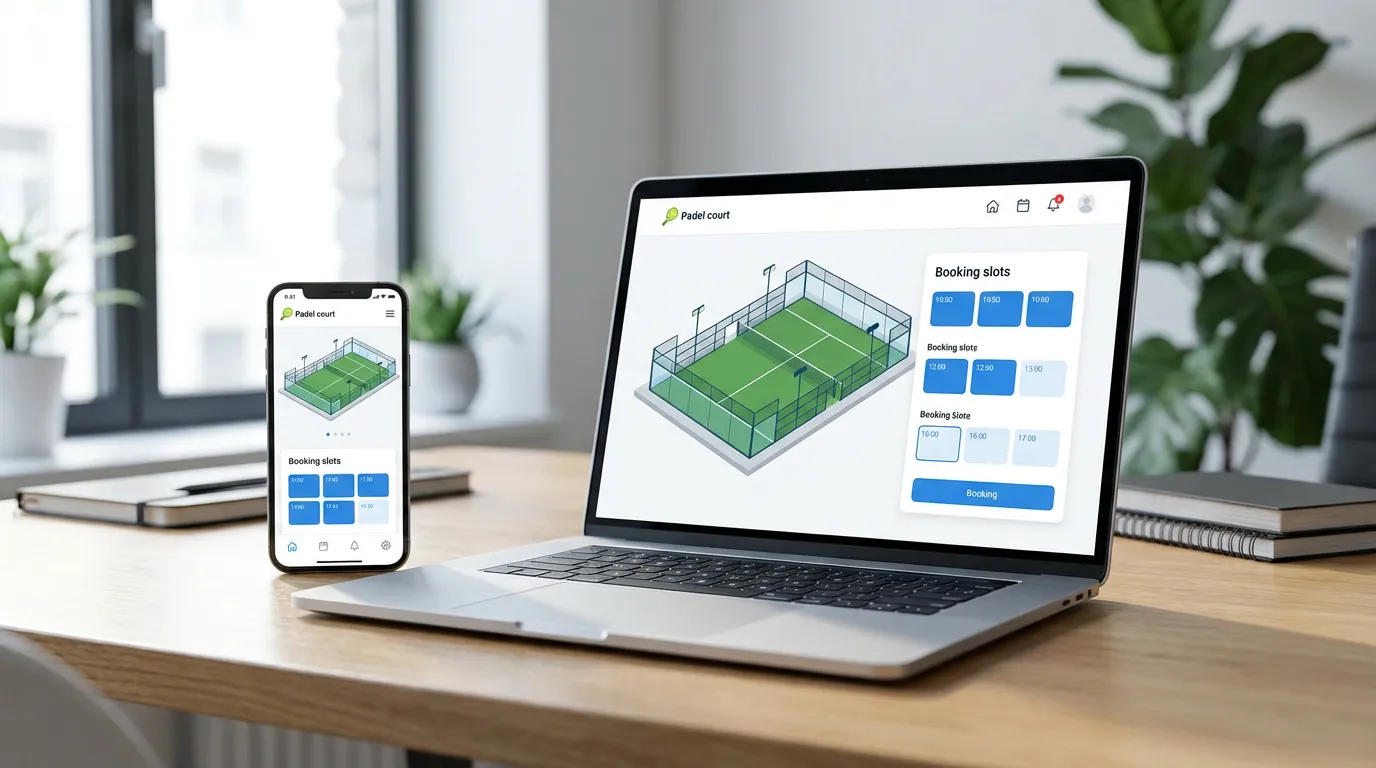
Mobile Padel Apps vs Web Apps: Which Is Better?
Discover the key differences between mobile padel apps and web-based platforms. Learn which solution best fits your playing style, technical needs, and booking habits with this comprehensive platform comparison.