
Padel Strategies: Tactical Insights from Match Data
Discover how to develop winning padel strategies through data analysis and tactical insights. Learn to analyze opponent patterns, use statistics effectively, and adapt your game plan during matches for competitive advantage.
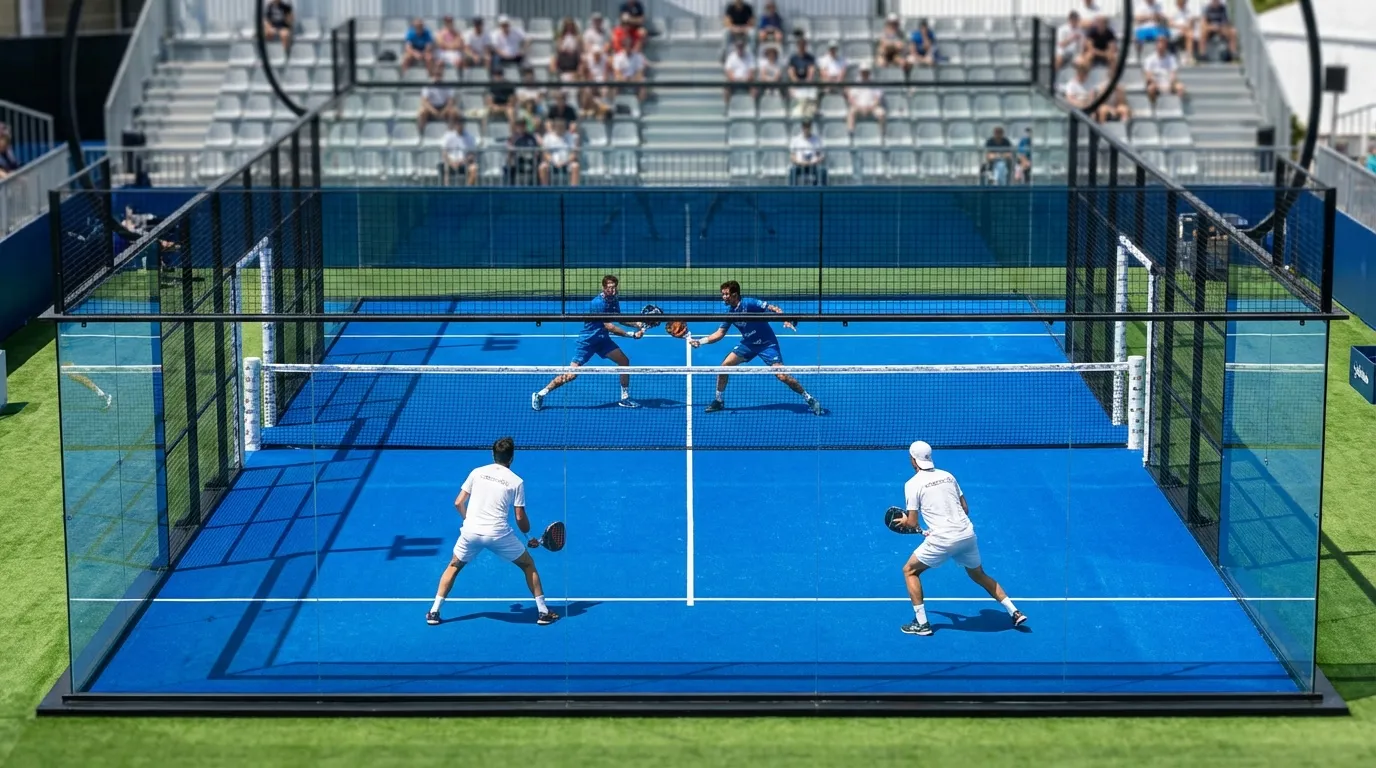
Padel has evolved from a recreational sport into a highly competitive game where strategy matters as much as skill. While raw talent and physical fitness are important, understanding tactical patterns and leveraging match data can give you a significant edge over opponents. Modern players who analyze their games statistically consistently outperform those who rely solely on instinct.
This comprehensive guide explores how to develop winning padel strategies through data analysis, pattern recognition, and tactical adaptation. Whether you're a competitive player or looking to improve your recreational game, these insights will help you make smarter decisions on court.
Analyzing Opponent Patterns
Every player has tendencies, and recognizing these patterns is the foundation of strategic padel. The best players don't just react to shots—they anticipate them based on observed behaviors and statistical trends.
Start by tracking where opponents hit their returns. Most recreational players favor their forehand side by a ratio of 3:1, creating predictable patterns you can exploit. During warm-up and early games, mentally note which side each opponent prefers when under pressure. This simple observation can inform your shot placement throughout the match.
Pay attention to serve patterns as well. Many players unconsciously alternate between two or three serve types, creating a rhythm you can break once identified. If an opponent serves wide on deuce points 70% of the time, position yourself accordingly and prepare to attack that serve aggressively.
Defensive habits reveal even more. Watch how opponents position themselves after hitting certain shots. Players who consistently retreat to the baseline after a lob are vulnerable to drop shots. Those who crowd the net after aggressive volleys leave themselves exposed to lobs down the middle.
The glass walls create unique pattern opportunities in padel. Track which opponents struggle with wall play on their backhand side. Statistics show that 65% of recreational players have difficulty controlling balls coming off the back glass on their weaker side. Target this weakness repeatedly until they demonstrate consistent returns.
Document these observations between games. Use your phone to quickly note patterns: "Player 1: weak backhand volleys, retreats after lobs" or "Player 2: serves wide 80% on ad court." This data becomes your tactical playbook.
Developing Winning Strategies
Once you've identified opponent patterns, translate these insights into actionable padel strategies. Effective strategy combines your strengths with opponent weaknesses while minimizing your own vulnerabilities.
The 70-30 rule provides an excellent strategic framework. Aim to place 70% of your shots to the weaker opponent or weaker side, forcing them to handle the majority of balls. This creates pressure and increases error rates. Reserve the remaining 30% for surprise attacks on the stronger player to keep them honest.
Positioning strategy dramatically impacts match outcomes. Data from professional matches shows that teams controlling the net win 73% of points. Develop a strategy that prioritizes net position through approach shots, aggressive returns, and quick transitions forward after serves.
Consider the court geometry when planning attacks. The diagonal shot from corner to corner measures approximately 20 meters, while the straight shot measures only 10 meters. Hitting cross-court gives you more margin for error and pulls opponents out of position. Reserve straight shots for finishing points when opponents are off-balance.
Implement a serve-and-volley strategy on crucial points. Statistics indicate that servers who follow their serve to net win 12% more points than those who stay back. This aggressive approach puts immediate pressure on returners and often forces weak replies you can attack.
Develop specific strategies for different score situations. When leading comfortably, maintain consistency and reduce unforced errors. When behind, increase aggression levels by 15-20% to create more opportunities. At deuce, revert to your highest-percentage plays that target identified weaknesses.
The lob-and-smash combination remains one of padel's most effective tactical sequences. Plan to set up this pattern by hitting three consecutive deep shots to push opponents back, then executing a well-placed lob. Data shows this sequence produces winners or weak returns 58% of the time when executed properly.
Using Statistics to Plan Tactics
Modern padel players have access to increasingly sophisticated statistics that inform tactical decisions. Understanding which metrics matter most helps you focus improvement efforts and exploit opponent vulnerabilities.
First serve percentage directly correlates with winning. Professional players maintain 65-70% first serve rates, while recreational players average only 45-50%. Track your first serve percentage and aim to increase it by 5% each month. A higher percentage means more opportunities to control points from the start.
Unforced error rates reveal tactical discipline. Top players keep unforced errors below 15% of total shots, while intermediate players often exceed 30%. Review your matches to identify which shot types generate the most errors. If your backhand volleys produce errors on 40% of attempts, adjust tactics to avoid that shot in pressure situations.
Net point conversion percentage indicates tactical effectiveness. Calculate how many points you win when both partners reach the net versus when you're stuck at the baseline. If your net conversion rate is 68% but baseline conversion is only 32%, your tactical priority becomes reaching the net more frequently.
Break point conversion statistics highlight mental and tactical performance under pressure. Professional teams convert 42% of break points, while recreational players average 28%. Analyze which tactics work best on break points—perhaps aggressive returns or targeting the weaker opponent—and implement these patterns consistently.
Winner-to-error ratio provides overall tactical assessment. Aim for a 1:1 ratio minimum, meaning you hit at least one winner for every unforced error. Elite players achieve 2:1 ratios by combining aggressive shot selection with high execution rates. If your ratio falls below 1:1, adopt more conservative tactics until consistency improves.
Shot distribution statistics reveal tactical balance. Analyze where you're hitting balls: are you using the full court or falling into predictable patterns? Effective players distribute shots 40% cross-court, 35% down the middle, and 25% down the line. This variety keeps opponents guessing and prevents defensive positioning.
Return depth statistics matter enormously. Returns landing within three meters of the baseline put servers on defense, while short returns allow easy attacks. Track your return depth and aim for 60% landing deep. This single metric can transform your return game effectiveness.
Adapting Strategy During Matches
The best padel strategies remain flexible, adjusting to changing match conditions and opponent adaptations. Rigid tactical approaches fail when circumstances shift, while adaptive players find solutions to emerging challenges.
Implement a checkpoint system every four games. Briefly assess what's working and what isn't. If your initial strategy of attacking the backhand player isn't producing results, they've likely adjusted. Switch tactics immediately rather than persisting with ineffective approaches.
Weather conditions demand strategic adaptation. Wind affects shot selection dramatically—reduce lob usage in strong winds and increase reliance on volleys and smashes. On hot days when fatigue sets in faster, shorten points by taking more risks at the net. Cold conditions slow ball speed, requiring more aggressive swings to generate pace.
Score situations require tactical flexibility. When serving for the set, many players tighten up and become conservative. Counter this tendency by maintaining aggression levels—statistics show that players who keep attacking when serving for sets win 15% more often than those who become passive.
Momentum shifts signal the need for tactical changes. If opponents win four consecutive points, call a timeout or slow the pace between points. Change your serving pattern, switch court positions with your partner, or alter your return strategy. Breaking their rhythm often halts momentum more effectively than playing harder.
Physical condition influences tactical choices. If your partner shows fatigue, adopt a more defensive strategy that extends rallies and allows recovery time. Conversely, if opponents appear tired, increase pace and court coverage demands to exploit their declining mobility.
Adapt to opponent adjustments quickly. If they begin poaching more frequently after you've targeted their partner, hit behind the poacher or lob over them. When opponents start covering your favorite cross-court shot, go down the line more often. Stay one tactical step ahead by anticipating their counter-adjustments.
Surface conditions change throughout matches, especially outdoors. As courts heat up, balls bounce higher and move faster. Adjust by hitting slightly flatter shots and positioning slightly deeper. On cooling courts in evening matches, expect lower bounces and adjust positioning forward.
The final games of close sets require maximum tactical awareness. Analyze which patterns have produced the most success and lean heavily on these proven approaches. This isn't the time for experimentation—execute your highest-percentage plays with confidence.
Frequently Asked Questions
How often should I change my padel strategy during a match?
Assess your strategy every four games or whenever opponents win three consecutive points. Don't change tactics constantly, but remain alert to what's working. If your current approach produces positive results, maintain it. Only adjust when clear evidence suggests your strategy has become ineffective or opponents have successfully adapted.
What's the most important statistic to track for improving my game?
First serve percentage and unforced error rate provide the most actionable insights for most players. A first serve percentage above 60% gives you more opportunities to control points, while keeping unforced errors below 20% of total shots ensures tactical discipline. Focus on these two metrics before diving into more complex statistics.
How can I analyze opponent patterns if I've never played them before?
Use the warm-up and first two games as reconnaissance. Notice which side each player favors, how they position after serves, and their comfort level with different shot types. Most players reveal their primary patterns within 15-20 shots. Take mental notes or quick physical notes during changeovers to build your tactical profile.
Should I always target the weaker opponent?
The 70-30 rule works best: direct 70% of shots toward the weaker player or weaker side, but attack the stronger player 30% of the time. Exclusively targeting one player allows them to poach more and their partner to rest. Mixing your targets keeps both opponents engaged and prevents predictable patterns.
How do I know if my strategy is working?
Track point conversion rates for specific tactical approaches. If your strategy of serving wide and volleying cross-court wins 65% of points, it's working. If it wins only 35%, adjust immediately. Also monitor opponent body language—frustrated or confused opponents indicate your strategy is effective.
Transform Your Game with Strategic Thinking
Mastering padel strategies through data analysis and tactical awareness separates good players from great ones. By systematically analyzing opponent patterns, developing targeted game plans, leveraging statistics, and adapting flexibly during matches, you'll make smarter decisions that lead to more victories. Start implementing these approaches in your next match, track your results, and refine your tactical toolkit continuously. The most successful padel players aren't always the most athletic—they're the smartest strategists who consistently outthink their opponents.

Marco Delgado
5 years in the industry
Former professional paddle player with 5 years of coaching experience. Marco has trained over 200 players from beginners to competitive athletes, helping them unlock their full potential on the court.
Related Articles

Social Features in Padel Apps: Build Your Network
Discover how padel social features transform your playing experience from isolated matches to a thriving community. Learn to build meaningful connections, find perfect partners, and create lasting friendships through smart app features while maintaining privacy and safety.
Mobile Padel Apps vs Web Apps: Which Is Better?
Discover the key differences between mobile padel apps and web-based platforms. Learn which solution best fits your playing style, technical needs, and booking habits with this comprehensive platform comparison.