
Organize Padel Matches Like a Pro: Group Management Tips
Learn how to organize padel matches efficiently with proven strategies for scheduling, managing availability, creating fair matchups, and using technology to automate coordination. Transform your group from chaotic to seamlessly organized.
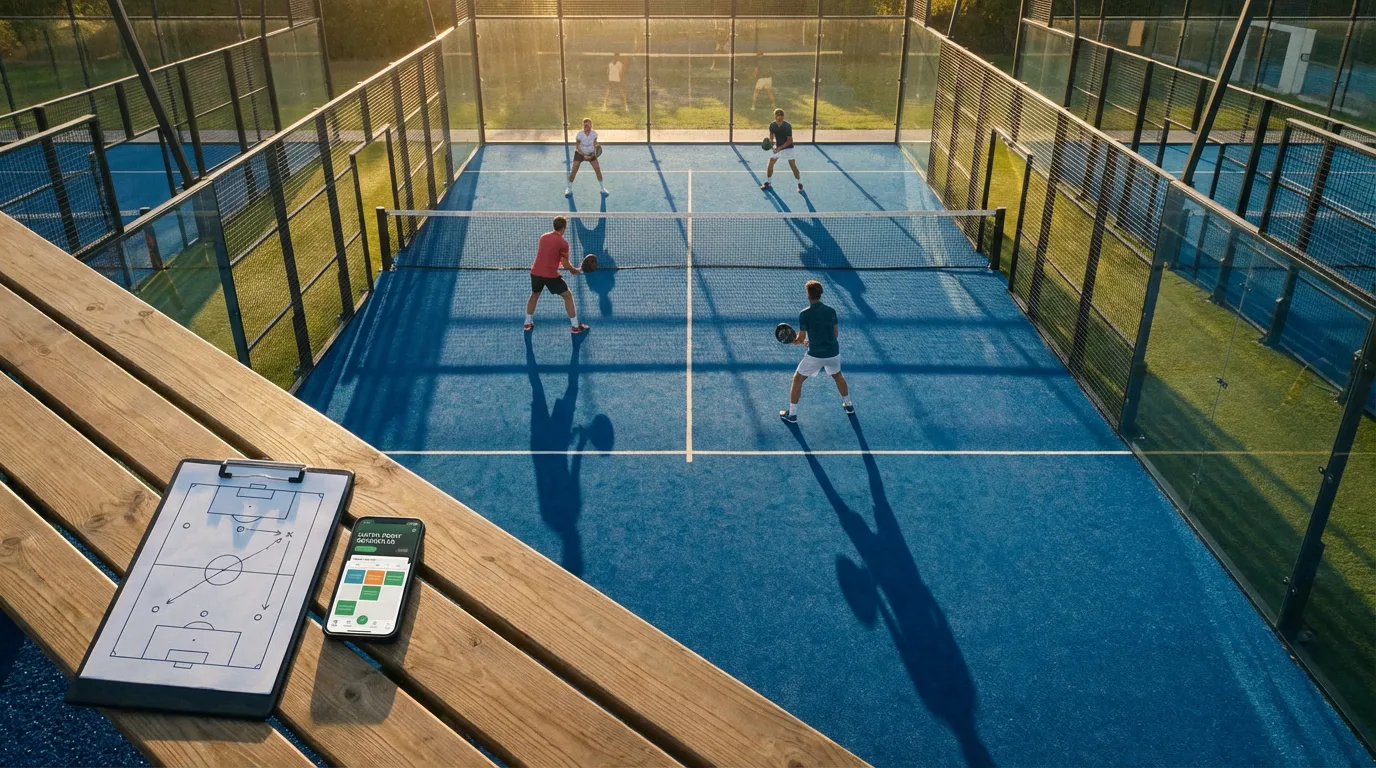
Being the organizer of a padel group comes with unique challenges. You're juggling schedules, managing expectations, and ensuring everyone has a great time on the court. Whether you're coordinating weekly matches with friends or managing a larger community of players, the right organizational approach can transform chaos into seamless padel sessions.
This guide will walk you through proven strategies to organize padel matches efficiently, from planning regular sessions to leveraging technology that saves you hours of coordination time.
Planning Regular Padel Sessions
Consistency is the foundation of successful padel groups. When players know exactly when and where matches happen, participation rates soar. Start by establishing a fixed schedule that works for the majority of your group members.
Choose a day and time that avoids common conflicts. Tuesday and Thursday evenings typically work well for working professionals, while weekend mornings attract families and casual players. Survey your group to identify the sweet spot that maximizes attendance.
Once you've settled on a schedule, commit to it for at least three months. This consistency allows players to plan their lives around padel, rather than constantly checking for the next available slot. You'll notice that regular sessions build momentum and create a stronger sense of community.
Consider creating a seasonal calendar that accounts for holidays, weather patterns, and local events. If you play outdoors, have backup indoor court options during rainy seasons. This proactive planning shows your group that you're serious about maintaining regular play.
Block-booking courts in advance is a game-changer when you organize padel matches regularly. Many facilities offer discounts for recurring bookings, which can reduce costs for everyone. Secure your preferred time slots weeks or months ahead to avoid disappointment.
Communicate the schedule clearly through multiple channels. Send calendar invites, post in your group chat, and consider creating a simple website or shared document where members can always find the latest information. The easier you make it for people to know when the next match is, the better your attendance will be.
Managing Player Availability
Tracking who's available for each session is often the most time-consuming part of organizing padel matches. Without a system, you'll spend hours sending messages, chasing responses, and dealing with last-minute dropouts.
Implement a clear RSVP system at least 48 hours before each match. This deadline gives you enough time to adjust court bookings and find replacements if needed. Make the RSVP process as simple as possible—a single click or emoji reaction works better than requiring lengthy responses.
Create a waitlist system for popular sessions. When you have more interested players than court space, a transparent waitlist ensures fairness and keeps everyone engaged. Rotate through your waitlist systematically, giving priority to those who haven't played recently.
Develop a policy for late cancellations and no-shows. While life happens and flexibility is important, repeated last-minute cancellations disrupt the entire group. Consider implementing a three-strike rule or requiring players who cancel within 24 hours to sit out the next session.
Maintain a database of player skill levels, preferred positions, and availability patterns. Understanding that some members can only play weekends while others prefer weekday evenings allows you to plan sessions that maximize participation. This information becomes invaluable when you're trying to fill a last-minute spot.
Send reminder messages 24 hours before each match. Even with calendar invites, a friendly reminder significantly reduces no-shows. Include essential details: court location, start time, expected duration, and any special instructions like bringing extra balls or water.
For larger groups, designate backup organizers who can step in when you're unavailable. Share your organizational systems with them so matches continue smoothly even when you can't attend. This redundancy prevents your entire group from falling apart during your vacation or busy work period.
Creating Fair Match-ups
Nothing kills enthusiasm faster than consistently unbalanced matches. When you organize padel matches, creating fair and competitive games is crucial for keeping players engaged and improving their skills.
Start by assessing player skill levels honestly. Use a simple rating system—beginner, intermediate, advanced—or adopt a numerical scale from 1-10. Ask players to self-assess initially, then adjust based on observed performance. Most players are surprisingly accurate about their abilities when given clear criteria.
Mix skill levels strategically rather than always pairing similar abilities together. A strong player partnered with a developing player creates mentorship opportunities and helps everyone improve. However, ensure both teams have a similar combined skill level to maintain competitive balance.
Rotate partners regularly to prevent cliques from forming and to help players develop chemistry with different playing styles. Some organizers rotate partners every match, while others change them weekly. Find the frequency that keeps things fresh without causing confusion.
Track match results to identify patterns. If certain players consistently dominate or struggle, adjust your pairing strategy. This data-driven approach removes guesswork and demonstrates that you're actively working to improve everyone's experience.
Consider organizing occasional tournaments or ladder competitions for players seeking more competitive environments. These structured formats naturally separate skill levels while giving ambitious players clear goals to work toward.
Be transparent about your pairing methodology. When players understand how teams are formed, they're less likely to feel slighted or perceive favoritism. Explain that your goal is maximizing fun and improvement for everyone, not creating dream teams.
For sessions with odd numbers of players, implement a rotation system where someone sits out each game. Make this fair by tracking who sat out previously and ensuring the burden is shared equally. The player sitting out can serve as referee, photographer, or simply rest between intense matches.
Using Technology to Simplify Organization
Manual organization through group chats and spreadsheets works initially, but quickly becomes overwhelming as your group grows. Modern technology can automate much of the tedious work involved in coordinating padel matches.
Dedicated sports organization platforms eliminate the back-and-forth messaging that clutters your phone. These tools centralize RSVPs, payment collection, court booking, and communication in one place. Players get a single source of truth for all match information.
Look for platforms that offer automated reminders and waitlist management. When someone cancels, the system should automatically notify the next person on the waitlist without requiring your intervention. This automation saves hours every week and ensures faster responses.
Integrated payment features are essential if you're collecting money for court fees. Chasing payments manually is frustrating and time-consuming. Tools that allow players to pay when they RSVP eliminate awkward money conversations and ensure you're never left covering costs for no-shows.
Calendar integration ensures matches appear automatically in players' personal calendars. This reduces missed sessions and makes it easier for members to plan around padel. The best platforms sync with Google Calendar, Apple Calendar, and Outlook.
Mobile apps are crucial for on-the-go management. You should be able to check RSVPs, send messages, and adjust match details from your phone. Many last-minute organizational decisions happen when you're away from your computer.
Data analytics help you understand your group's patterns. Which time slots get the most RSVPs? Who are your most reliable players? What's your average attendance rate? These insights inform better organizational decisions over time.
Community features like chat, photo sharing, and match history build engagement beyond the court. When players can relive great moments and banter between sessions, they're more likely to stay committed to your group.
When evaluating platforms to organize padel matches, prioritize ease of use. If the system is too complicated, players won't adopt it, and you'll end up managing two systems simultaneously. The best tool is one that everyone actually uses.
FAQ
How far in advance should I plan padel matches? Plan regular sessions at least 2-3 weeks in advance, with RSVPs due 48 hours before each match. This gives you time to adjust bookings and find replacement players if needed. For special events or tournaments, plan 4-6 weeks ahead.
What's the ideal size for a padel group? Aim for 12-16 active members if you typically book 2-3 courts per session. This provides enough players to fill courts while accounting for typical availability rates of 60-70%. Smaller groups risk frequent cancellations, while larger groups make it harder for everyone to play regularly.
How do I handle players with very different skill levels? Create separate sessions for different skill levels if your group is large enough, or implement a rotation system that pairs stronger players with developing ones. The key is ensuring every match feels competitive and fun, not frustrating. Consider organizing occasional mixed-level social sessions alongside skill-specific competitive play.
Should I charge players for organizing matches? Most organizers simply split court costs evenly among participants. However, if you're investing significant time and using paid organizational tools, it's reasonable to add a small organizational fee (typically 10-15% of court costs). Be transparent about any fees and what they cover.
What's the best way to deal with chronic late cancellations? Implement a clear policy communicated upfront: players who cancel within 24 hours without emergency reasons may be required to sit out the next session or move to the bottom of the waitlist. Apply this policy consistently and fairly. Most players will adjust their behavior when they see you're serious about respecting everyone's time.
Taking on the role of padel match organizer means accepting responsibility for your group's experience. The strategies outlined here—from establishing consistent schedules to leveraging modern technology—will help you create a thriving padel community where players show up excited, matches are competitive, and everyone improves their game. Start implementing these systems gradually, and you'll find that organizing padel matches becomes less of a chore and more of a rewarding leadership role that enhances your own enjoyment of this fantastic sport.

Marco Delgado
5 years in the industry
Former professional paddle player with 5 years of coaching experience. Marco has trained over 200 players from beginners to competitive athletes, helping them unlock their full potential on the court.
Related Articles

Social Features in Padel Apps: Build Your Network
Discover how padel social features transform your playing experience from isolated matches to a thriving community. Learn to build meaningful connections, find perfect partners, and create lasting friendships through smart app features while maintaining privacy and safety.
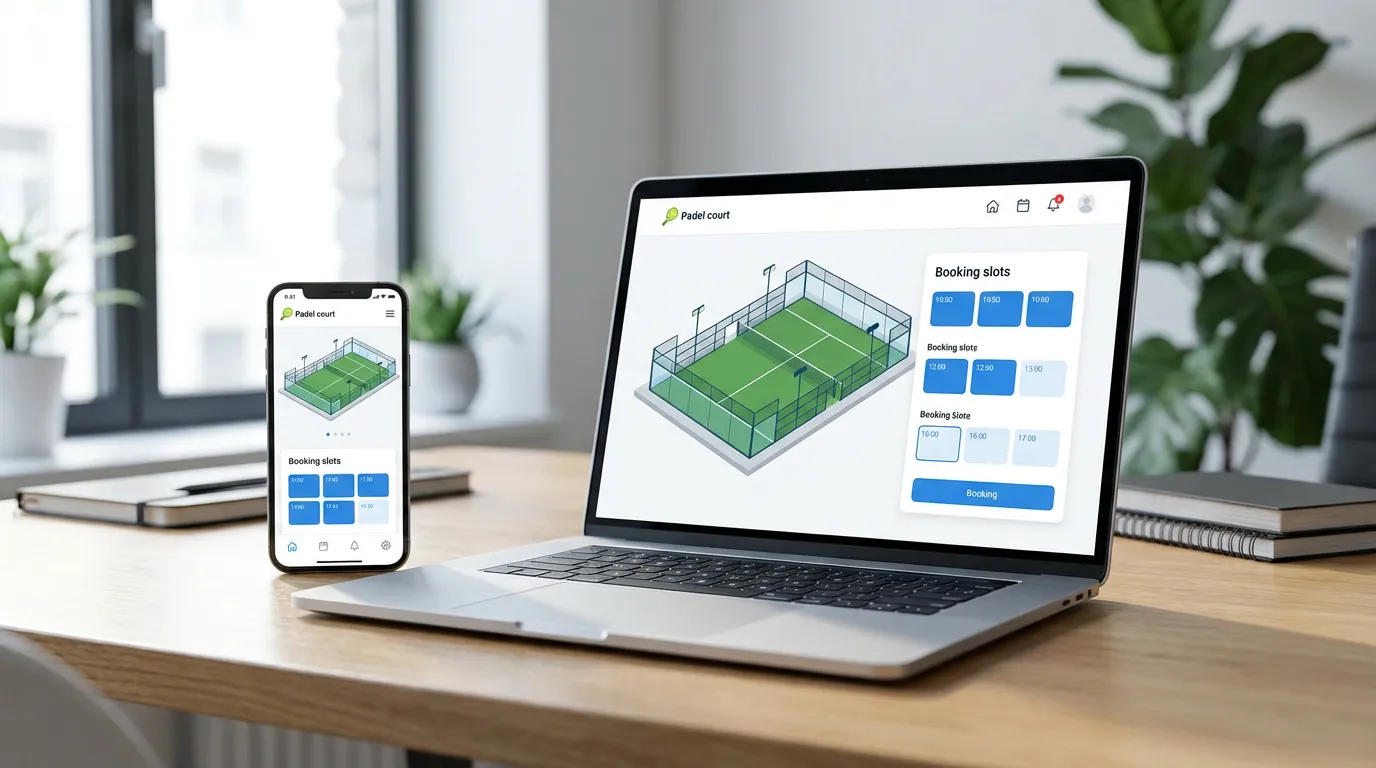
Mobile Padel Apps vs Web Apps: Which Is Better?
Discover the key differences between mobile padel apps and web-based platforms. Learn which solution best fits your playing style, technical needs, and booking habits with this comprehensive platform comparison.