
Mobile Padel Apps vs Web Apps: Which Is Better?
Discover the key differences between mobile padel apps and web-based platforms. Learn which solution best fits your playing style, technical needs, and booking habits with this comprehensive platform comparison.
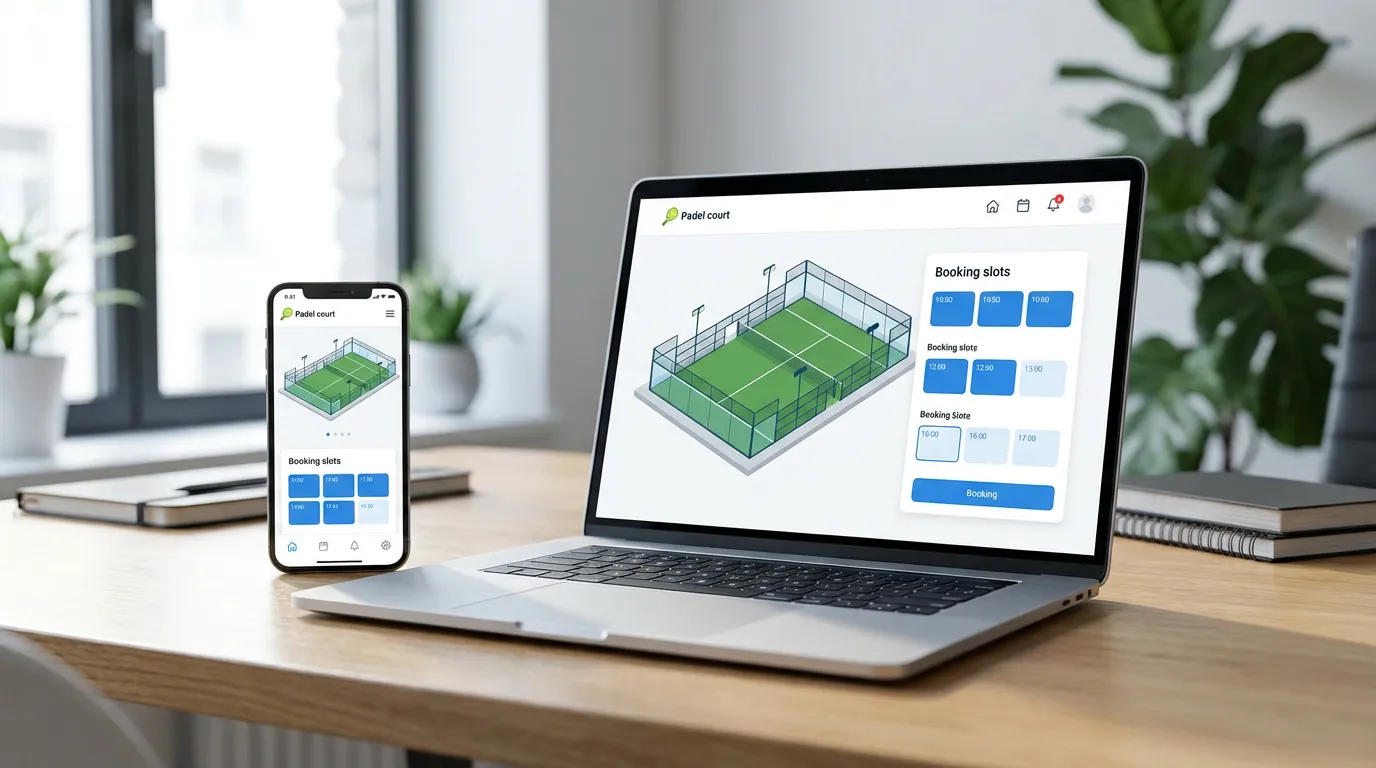
The debate between mobile apps and web applications has intensified in the padel community as players seek the most convenient way to book courts, find partners, and manage their game schedules. Understanding the differences between a padel web app and native mobile applications can significantly impact your playing experience and help you make an informed choice.
Both platforms offer unique advantages, but the right choice depends on your specific needs, playing habits, and technical preferences. Let's dive deep into the technical comparison to help you determine which platform suits your padel lifestyle best.
Advantages of Web-Based Padel Apps
A padel web app operates directly through your browser without requiring downloads or installations. This fundamental difference creates several compelling advantages that many players overlook.
Instant Access Without Installation
Web-based padel platforms eliminate the friction of downloading and installing applications. Simply open your browser, navigate to the website, and start booking courts immediately. This instant accessibility proves particularly valuable when you're using a friend's device or a public computer at your club.
You won't need to worry about storage space on your device. Mobile apps can consume anywhere from 50MB to 200MB of storage, while a padel web app uses virtually no permanent space on your device. For players with older phones or limited storage, this advantage becomes crucial.
Universal Device Compatibility
Web applications work seamlessly across any device with a modern browser—smartphones, tablets, laptops, and desktop computers. Whether you're on iOS, Android, Windows, or Mac, the experience remains consistent. This cross-device functionality means you can start booking a court on your phone during lunch and complete the reservation on your work computer.
The responsive design of quality web apps automatically adapts to your screen size, providing an optimized experience regardless of device. You're never locked into a specific operating system or forced to switch platforms when upgrading your phone.
Automatic Updates and Maintenance
With a padel web app, you always access the latest version automatically. New features, bug fixes, and security patches deploy instantly without requiring user action. You'll never see those annoying "Update Required" notifications that interrupt your court booking process.
This automatic updating ensures every user experiences the same feature set simultaneously. When your club adds new courts or changes booking policies, these updates appear immediately for all users without version fragmentation issues.
Lower Data and Battery Consumption
Web applications typically consume less background data than mobile apps. Native apps often run background processes for notifications, location tracking, and data syncing even when you're not actively using them. A padel web app only uses resources when you have it open in your browser.
Battery life benefits significantly from this reduced background activity. Players who check court availability multiple times daily will notice their phone battery lasts considerably longer when using web-based platforms instead of always-running mobile apps.
Enhanced Privacy Controls
Browser-based applications provide more granular control over permissions. You can easily manage cookie preferences, location access, and data storage through your browser settings. Mobile apps often request broad permissions that users must accept entirely or reject completely.
Web apps also make it simpler to use private browsing modes when you want to check court availability without saving your session data. This flexibility appeals to privacy-conscious players who prefer controlling their digital footprint.
Mobile App Benefits and Limitations
Native mobile applications offer distinct advantages that web platforms cannot fully replicate, though they come with notable trade-offs.
Push Notifications and Real-Time Alerts
Mobile apps excel at delivering instant push notifications. When a court becomes available, a partner confirms your match, or weather conditions change, you receive immediate alerts even when the app isn't open. This real-time communication proves invaluable for active players managing multiple bookings.
Web apps can send notifications through browser permissions, but these often get blocked by default settings or don't work when the browser is closed. The notification reliability of mobile apps remains superior for time-sensitive updates.
Offline Functionality
Native applications can cache significant data locally, allowing limited functionality without internet connectivity. You might view your upcoming bookings, check court layouts, or review club rules even in areas with poor signal. This offline capability provides peace of mind when traveling or playing at remote clubs.
However, core booking functions still require internet connectivity. The offline features typically extend only to viewing previously loaded information rather than creating new reservations.
Device Integration and Features
Mobile apps integrate deeply with your phone's hardware and software ecosystem. They can access your calendar to add bookings automatically, integrate with Apple Pay or Google Pay for faster transactions, and use your contacts to find playing partners quickly.
Camera integration for sharing match photos, GPS for finding nearby courts, and fitness tracking connections all work more seamlessly through native apps. These integrations create a more cohesive experience within your device's ecosystem.
Performance and Speed Considerations
Well-optimized mobile apps can feel faster and more responsive than web applications, particularly for complex interactions like browsing multiple court availability calendars or filtering through extensive player directories. Native code executes more efficiently than browser-interpreted JavaScript.
However, this performance advantage has diminished significantly as web technologies have advanced. Modern web apps using progressive web app (PWA) techniques can match or exceed mobile app performance for most common tasks.
Storage and Update Challenges
Mobile apps consume device storage permanently, and this footprint grows with cached data over time. Users must manually update apps or enable automatic updates, creating version fragmentation where different users run different app versions simultaneously.
App store approval processes can delay critical updates by days or weeks. If your padel club needs to implement an urgent policy change or fix a booking bug, web apps deploy fixes instantly while mobile users must wait for app store approval and then download the update.
Cross-Platform Compatibility
The compatibility question extends beyond simple device support to encompass the entire user experience across different platforms and scenarios.
Seamless Multi-Device Workflows
Modern padel players often switch between devices throughout their day. A padel web app enables truly seamless transitions—start browsing courts on your phone during your commute, continue on your work computer during lunch, and finalize the booking on your tablet at home. Your session and preferences persist across all devices without special syncing.
Mobile apps require separate installations on each device type, and tablets often receive less attention from developers, resulting in stretched phone interfaces rather than properly optimized tablet experiences.
Sharing and Collaboration
Web-based platforms make sharing court information remarkably simple. Send a direct link to your playing partners, and they can view the court details, time, and location instantly without needing the same app installed. This frictionless sharing proves especially valuable when organizing games with new players or guests.
Mobile apps typically require all participants to install the same application before they can view shared content or join group bookings. This installation barrier can frustrate occasional players who don't want another app cluttering their device.
Corporate and Club Environments
Many corporate padel programs and club facilities prefer web-based solutions because they work on any device without IT department approval or security reviews. Employees can book courts from work computers without installing unauthorized software, and clubs can provide public booking terminals using simple browser kiosks.
Mobile apps face restrictions in managed device environments where users cannot install applications freely. This limitation can exclude significant user segments from accessing mobile-only booking systems.
Progressive Web App Technology
Progressive web apps (PWAs) bridge the gap between traditional web apps and native mobile apps. A PWA-enabled padel web app can be "installed" to your home screen, work offline to some extent, and send push notifications—all while remaining fundamentally web-based.
This hybrid approach delivers many mobile app benefits without the drawbacks of app store dependencies, large downloads, or platform-specific development. Leading padel platforms increasingly adopt PWA technology to offer the best of both worlds.
Choosing the Right Platform for Your Needs
Selecting between a padel web app and mobile application depends on your personal playing patterns, technical preferences, and specific feature requirements.
For Casual and Occasional Players
If you play padel once or twice weekly and primarily book courts from home or work computers, a web-based platform offers the most convenient solution. You avoid cluttering your phone with another app while maintaining easy access whenever needed.
Casual players rarely need instant push notifications or offline functionality. The ability to quickly check court availability from any browser without remembering passwords (using browser auto-fill) or updating apps makes web platforms ideal for occasional use.
For Serious and Competitive Players
Dedicated players who manage multiple weekly bookings, coordinate with regular partners, and participate in tournaments benefit significantly from mobile app features. Push notifications ensure you never miss booking windows for popular time slots or partner requests.
The deeper device integration helps serious players track their game statistics, share match results quickly, and maintain consistent communication with their padel network. If you're checking court availability multiple times daily, the home screen icon convenience justifies the storage space.
For Club Managers and Organizers
Club administrators and tournament organizers often need both platforms. A padel web app provides the comprehensive dashboard and management tools best suited for desktop work, while a mobile app enables on-site management and real-time updates during events.
The web platform's accessibility from any device allows staff members to assist players without requiring specific devices or installations. Consider platforms offering both options with synchronized data for maximum flexibility.
For Tech-Conscious Users
Players concerned about privacy, device performance, and storage space should lean toward web-based solutions. Browser-based applications provide better control over data permissions, consume fewer background resources, and can be accessed through privacy-focused browsers.
Web apps also avoid the platform lock-in effect. If you switch from iPhone to Android or vice versa, your web-based padel platform works identically without re-learning a different interface or losing any functionality.
The Hybrid Approach
Many players find the optimal solution involves using both platforms strategically. Use the padel web app for initial research, detailed browsing, and managing account settings from your computer. Install the mobile app specifically for receiving notifications and quick on-the-go bookings.
This hybrid approach maximizes the strengths of each platform while minimizing their weaknesses. You maintain the convenience of instant notifications without sacrificing the comprehensive functionality and universal access of web-based platforms.
Platform-Specific Feature Checklist
Before committing to either platform, verify these essential features: real-time court availability updates, secure payment processing, easy cancellation and rescheduling, partner matching capabilities, and club directory access. Ensure your chosen platform—whether web or mobile—delivers these core functions reliably.
Test the booking process completely on your preferred platform before relying on it for important matches. Some platforms excel on web but offer limited mobile functionality, while others prioritize mobile experiences at the expense of desktop usability.
The padel booking landscape continues evolving rapidly, with web technologies closing the gap on traditional mobile app advantages. Your choice should reflect your current needs while considering how web platforms increasingly match mobile capabilities through progressive enhancement techniques.
Ready to experience the flexibility of a modern padel web app? Explore Paddelino's platform to discover how web-based booking can simplify your padel life without sacrificing the features you need. Whether you're booking your first court or managing a busy playing schedule, the right platform makes all the difference in enjoying this exciting sport.

Marco Delgado
5 years in the industry
Former professional paddle player with 5 years of coaching experience. Marco has trained over 200 players from beginners to competitive athletes, helping them unlock their full potential on the court.
Related Articles

Social Features in Padel Apps: Build Your Network
Discover how padel social features transform your playing experience from isolated matches to a thriving community. Learn to build meaningful connections, find perfect partners, and create lasting friendships through smart app features while maintaining privacy and safety.

Advanced Padel Analytics: Pro-Level Performance Insights
Discover how advanced padel analytics transforms your game through deep metrics analysis, predictive performance modeling, and data-driven strategic planning. Professional-level insights now accessible to serious amateur players.