
The Complete Guide to Padel Tennis Apps: Transform Your Game with Digital Tools
Discover how padel tennis apps are revolutionizing the sport with match tracking, performance analytics, and community features. This comprehensive guide covers everything from choosing the right platform to maximizing your digital padel experience, helping players of all levels improve faster and play more.
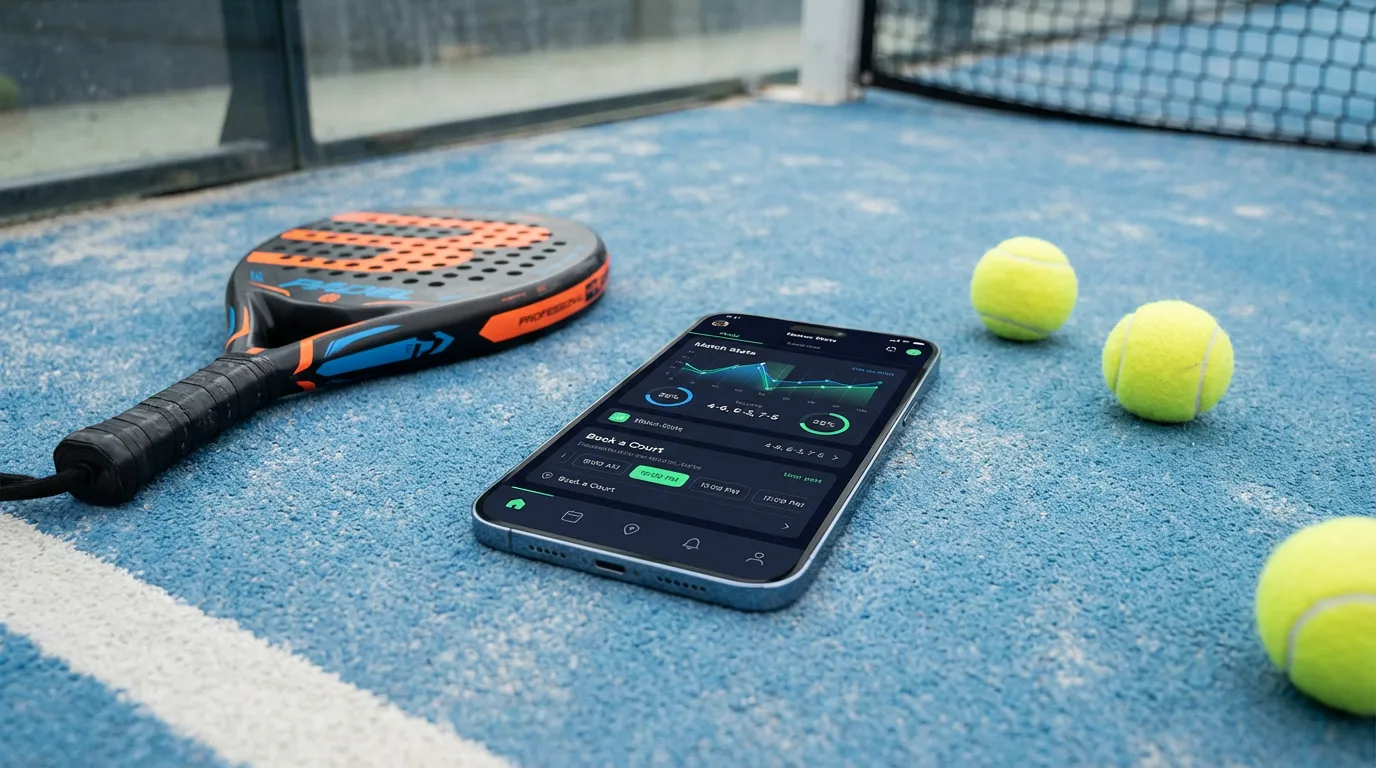
What Are Padel Tennis Apps and Why Do You Need One?
A padel tennis app is your digital companion for managing every aspect of your padel journey—from tracking matches and analyzing performance to connecting with other players and booking courts. These specialized platforms have revolutionized how players approach the sport, transforming padel from a casual recreational activity into a data-driven pursuit where improvement is measurable and community is just a tap away.
Whether you're a weekend warrior looking to organize games with friends or a competitive player seeking to climb the rankings, a padel app serves as your central hub. It eliminates the hassle of coordinating matches through endless group chats, provides insights that were once available only to professional athletes, and creates a social network specifically designed for padel enthusiasts.
The modern padel player faces unique challenges: finding available courts, tracking improvement over time, discovering new playing partners, and staying engaged with the sport between matches. A well-designed padel app addresses all these pain points while adding features you didn't know you needed—like detailed statistics on your playing patterns, personalized training recommendations, and a vibrant community that keeps you motivated.
The Evolution of Digital Sports Management
Sports technology has undergone a dramatic transformation over the past decade. What began with simple fitness trackers and step counters has evolved into sophisticated platforms that understand the nuances of specific sports. Padel, as one of the fastest-growing racquet sports globally, has benefited enormously from this technological revolution.
Early attempts at digital sports management focused primarily on professional athletes. Coaches used expensive software to analyze video footage and track performance metrics. Regular players had access to nothing more than basic scorekeeping apps that offered little beyond what a pen and paper could provide.
The breakthrough came when developers recognized that recreational players craved the same insights as professionals—just packaged in an accessible, user-friendly format. Modern padel tracking apps leverage smartphone sensors, cloud computing, and machine learning to deliver professional-grade analytics to anyone with a mobile device. This democratization of sports technology has fundamentally changed how players approach improvement.
Today's padel apps integrate multiple functions that previously required separate tools. You no longer need one app for booking courts, another for tracking scores, a third for finding players, and a spreadsheet for analyzing your performance. Comprehensive platforms consolidate these features into seamless experiences that feel natural and intuitive.
Core Benefits for Padel Players
The primary advantage of using a padel player app is the ability to track your progress objectively. Many players believe they're improving based on feel alone, but data tells the real story. When you can see that your first serve percentage has increased from 62% to 78% over three months, or that your unforced errors have decreased by 30%, you gain concrete evidence of improvement that fuels motivation.
Community building represents another transformative benefit. Padel thrives on social interaction—it's a doubles sport by nature, requiring four players for every match. Finding compatible playing partners at your skill level can be challenging, especially if you're new to an area or just starting out. Padel apps create digital communities where players can connect based on location, skill level, availability, and playing style preferences.
Time efficiency cannot be overstated. Before padel apps, organizing a match meant sending multiple text messages, checking court availability by phone, coordinating four people's schedules, and hoping nobody cancels last minute. Modern platforms streamline this entire process into a few taps, with automatic notifications, waitlist management, and integrated payment systems for court fees.
Skill development accelerates when you have access to detailed performance analytics. A padel web app can identify patterns you'd never notice on your own—perhaps you consistently lose points when serving to your opponent's backhand side, or your performance drops significantly in the third set. Armed with these insights, you can focus practice sessions on specific weaknesses rather than generic drills.
Finally, these apps enhance engagement with the sport between matches. Leaderboards, achievement badges, training challenges, and social feeds keep padel top-of-mind even when you're not on the court. This sustained engagement translates into more frequent play, which naturally leads to faster improvement and deeper enjoyment of the sport.
Essential Features Every Padel App Should Have
Not all padel apps are created equal. The difference between a mediocre platform and an exceptional one often comes down to thoughtful feature implementation. When evaluating options, look for these core capabilities that separate truly useful apps from digital clutter.
Match Tracking and Statistics
Comprehensive match tracking forms the foundation of any serious padel tracking app. At minimum, the platform should allow you to record match scores, opponents, partners, court locations, and dates. However, the best apps go far beyond basic scorekeeping.
Advanced match tracking captures granular details: points won on serve versus return, winners versus unforced errors, break point conversion rates, and rally lengths. Some platforms even offer shot-by-shot tracking, though this level of detail requires significant time investment during matches. The key is finding a balance between data richness and practical usability—you want insights without turning every match into a data entry marathon.
Automatic statistics generation transforms raw match data into actionable insights. After logging matches consistently, patterns emerge. You might discover you win 68% of matches when playing with certain partners but only 43% with others. Perhaps you perform better on outdoor courts than indoor ones, or your win rate drops dramatically when playing before 10 AM. These insights help you make strategic decisions about when to play, whom to partner with, and which conditions suit your game.
Visual representations of your progress matter enormously for motivation. Graphs showing win rate trends over time, heat maps of your most effective shots, and comparison charts against players at different skill levels make abstract statistics tangible and engaging. The human brain processes visual information far more effectively than numbers in spreadsheets.
Historical match archives create a personal padel library. Years from now, you'll appreciate being able to look back at your first competitive match, track your journey from beginner to advanced player, and remember specific matches against longtime rivals. This historical perspective adds sentimental value beyond pure functionality.
Player Community and Social Features
The social dimension of padel apps often determines whether users stick with a platform long-term. Tennis might be playable as singles, but padel absolutely requires partners and opponents. A robust community feature set transforms a tracking tool into a living ecosystem of players.
Player profiles should include skill level ratings, playing preferences (competitive versus casual, preferred times and locations), match history, and optional personal information. Detailed profiles help players find compatible matches—there's nothing worse than showing up for a "friendly" game only to face opponents who play with tournament-level intensity.
Search and discovery tools must be sophisticated yet simple. Filters for skill level, location radius, availability windows, and playing style preferences help users quickly identify potential matches. Some advanced platforms use matching algorithms that suggest compatible players based on your history, similar to how dating apps work but for padel partnerships.
In-app messaging eliminates the need to exchange personal phone numbers with strangers. Players can coordinate match details, discuss strategy, or simply build friendships through secure messaging systems. Group chat functionality facilitates organizing regular playing groups or league teams.
Rating and review systems maintain community quality. After matches, players can rate partners and opponents on factors like skill level accuracy, punctuality, sportsmanship, and overall experience. This crowdsourced reputation system helps identify reliable players while discouraging poor behavior.
Social feeds create engagement between matches. Users can share achievements, post match results, celebrate milestones, and comment on others' activities. This social layer keeps the community active and connected, fostering a sense of belonging that extends beyond the court.
Court Booking and Scheduling
Integrated court booking capabilities represent a significant convenience factor. Rather than visiting multiple websites or making phone calls, players can view available courts across various facilities, compare prices, check amenities, and complete bookings without leaving the app.
Real-time availability prevents the frustration of finding a court online only to discover it's already booked when you call. The best padel apps sync directly with club management systems, ensuring availability information is always current. Some platforms even show court surface types, lighting conditions, and recent maintenance status.
Calendar integration synchronizes padel bookings with your personal schedule. When you book a court for Saturday at 2 PM, the app automatically creates a calendar event, sends reminders, and can even notify your playing partners. This seamless integration reduces no-shows and last-minute cancellations.
Recurring booking features benefit regular players who prefer consistent schedules. If you play every Tuesday evening, setting up a recurring booking saves time and guarantees your preferred time slot. The app handles payment processing, sends weekly reminders, and manages cancellations when necessary.
Waitlist management maximizes court utilization. When your desired time slot is fully booked, joining a waitlist means you'll automatically receive notification if someone cancels. This feature helps clubs optimize revenue while giving players more opportunities to secure prime time slots.
Performance Analytics and Insights
Raw data becomes valuable only when transformed into actionable insights. The analytics engine separates exceptional padel web apps from basic tracking tools. Sophisticated platforms apply statistical analysis and machine learning to your match history, revealing patterns and opportunities for improvement.
Strength and weakness identification represents the most immediately useful analytics feature. By analyzing match outcomes across various dimensions, the app can determine that your forehand volleys are highly effective but your backhand returns need work. This targeted feedback focuses practice sessions on areas with the highest improvement potential.
Opponent analysis provides strategic advantages. Before facing a new opponent, reviewing their statistics reveals playing patterns. If they consistently struggle with lobs or have a weak backhand side, you can develop a game plan that exploits these weaknesses. This preparation level was once available only to professional players with dedicated coaches.
Progress tracking over time maintains motivation during plateaus. Improvement isn't always linear—sometimes you feel stuck despite consistent practice. Visual representations of your journey show that even during apparent plateaus, underlying metrics are improving. Your serve might not be faster, but it's more accurate. Your shots might not be harder, but they're more consistent.
Predictive analytics represent the cutting edge of padel technology. Advanced algorithms can estimate your chances of winning against specific opponents, suggest optimal partners for your playing style, and recommend training focuses based on your goals. While no algorithm guarantees victory, these predictions help players make informed decisions about matches, partners, and practice priorities.
Comparative benchmarking shows how you stack up against other players at your level. Knowing that your first serve percentage is in the 85th percentile for intermediate players provides context for your abilities. Perhaps your serve is actually a strength you should leverage more aggressively, even if it doesn't feel particularly powerful.
How to Choose the Right Padel App for Your Needs
The padel app market has expanded rapidly, with dozens of options now available across different platforms and price points. Selecting the right one requires understanding your specific needs, playing style, and technical preferences. Making an informed choice ensures you'll actually use the app rather than abandoning it after a few weeks.
Beginner vs Advanced Player Requirements
Beginner players need simplicity above all else. When you're still learning basic rules, court positioning, and stroke techniques, a complex app with dozens of statistics can feel overwhelming. New players benefit most from apps that focus on match organization, social connection, and basic progress tracking.
For beginners, prioritize apps with intuitive interfaces that require minimal training. The learning curve should be gentle—you want to spend time playing padel, not watching tutorial videos about how to use an app. Look for platforms that offer guided setup, clear explanations of features, and optional complexity that you can enable as you progress.
Social features matter enormously for beginners. Finding other new players at your skill level makes the learning process more enjoyable and less intimidating. Apps with robust beginner communities, skill-level filtering, and welcoming atmospheres help newcomers integrate into the sport without feeling judged or overwhelmed.
Advanced players have different priorities. If you've been playing for years and compete regularly, you need sophisticated analytics, detailed statistics, and performance tracking that reveals subtle patterns. The padel player app you choose should offer depth without sacrificing usability—powerful features accessible through clean interfaces.
Competitive players benefit from apps that integrate with tournament systems, track official rankings, and provide advanced opponent analysis. Some platforms offer video integration, allowing you to attach match footage to specific games for later review. Professional-grade features like shot charts, heat maps, and tactical analysis become valuable at higher skill levels.
Intermediate players face the trickiest decision. You've outgrown beginner-focused apps but may not need every advanced feature. Look for platforms that scale with your development—offering basic features upfront with optional advanced capabilities you can explore as your game improves. Flexibility and customization options allow you to tailor the experience to your current level.
Web Apps vs Native Mobile Apps
The platform choice between web-based and native mobile applications significantly impacts your experience. Each approach offers distinct advantages and limitations that suit different use cases and preferences.
Padel web apps run in your browser without requiring installation. This accessibility means you can access your account from any device with internet connectivity—your phone, tablet, laptop, or even a friend's computer. Web apps typically update automatically, ensuring you always have the latest features without manual app store downloads.
Web platforms excel for desktop users who prefer larger screens for detailed analysis. Reviewing statistics, planning training schedules, and organizing league play often feels more comfortable on a laptop than a phone. The multi-device flexibility also benefits players who switch between devices throughout the day.
However, web apps face limitations with offline functionality. Without internet connectivity, features may be unavailable or limited. This rarely matters in urban areas with ubiquitous wireless coverage but can be problematic at remote clubs or during travel. Push notifications on web platforms are also less reliable than native app notifications.
Native mobile apps offer tighter integration with phone features. They can access your contacts for easy player invitations, use GPS for automatic court location tagging, leverage phone cameras for match photos, and send reliable push notifications for match reminders. The user experience typically feels smoother and more responsive than web alternatives.
Offline functionality represents a key native app advantage. You can log match scores without internet connectivity, with data syncing automatically when you reconnect. This reliability matters during matches at clubs with poor wireless coverage or when traveling internationally without data plans.
The ideal solution often involves hybrid approaches. Many leading platforms offer both native mobile apps for on-the-go match tracking and web portals for detailed analysis and administration. This combination provides flexibility—track matches on your phone, then review detailed statistics on your computer later.
Consider your typical usage patterns when choosing platforms. If you primarily track matches courtside and coordinate games via phone, a native mobile app should be your priority. If you manage leagues, analyze performance extensively, or prefer desktop interfaces, ensure the platform offers a robust web experience.
Maximizing Your Padel App Experience
Installing an app represents just the beginning of your digital padel journey. Extracting maximum value requires intentional setup, consistent usage, and strategic engagement with available features. These best practices help you transform a simple download into a genuine game-improvement tool.
Setting Up Your Profile for Success
Your profile serves as your digital identity within the padel community. A well-crafted profile attracts compatible playing partners, sets appropriate expectations, and establishes credibility within the platform. Invest time in creating a complete, accurate representation of yourself as a player.
Start with an honest skill level assessment. Overestimating your abilities leads to frustrating matches where you're clearly outmatched. Underestimating means you'll dominate games that aren't competitive or challenging. Most apps use standardized rating systems—research what each level means and select the one that genuinely reflects your current abilities. Remember, everyone starts somewhere, and accurately representing your level helps create better matches.
Profile photos matter more than you might expect. Choose a clear, friendly image that shows your face. Action shots from the court work well, but ensure you're recognizable. Players are more likely to connect with accounts that feel human and authentic. Avoid generic avatars or unclear photos that make your profile seem inactive or fake.
Detailed playing preferences prevent mismatched expectations. Specify whether you prefer competitive or social play, your typical playing times, favorite court locations, and any scheduling constraints. If you only play weekday evenings or prefer outdoor courts, stating this upfront saves everyone time.
Include information about your playing style and goals. Are you working on specific aspects of your game? Do you prefer aggressive net play or defensive baseline strategy? Are you training for tournaments or playing purely for fitness and fun? These details help potential partners assess compatibility beyond just skill level.
Contact preferences and availability matter for coordination. Enable notifications for match invitations if you want frequent play opportunities. Set your typical availability windows so the app can suggest matches during times you're actually free. The more information you provide, the better the platform can facilitate relevant connections.
Building Your Padel Network
A padel tennis app reaches its full potential when you've built a network of regular playing partners, friendly rivals, and community connections. This network transforms the app from a solitary tracking tool into a vibrant social ecosystem that keeps you engaged with the sport.
Start by connecting with players you already know. Most apps allow you to invite contacts or search for existing users. Adding your current playing partners creates a foundation for your network and makes transitioning to the platform easier—you're not starting from zero.
Actively seek new connections through the app's discovery features. Search for players at your skill level within your geographic area. Review profiles carefully, looking for compatible playing preferences and schedules. When sending connection requests or match invitations, include a personalized message explaining why you think you'd be good playing partners.
Participate in app-organized events and challenges. Many platforms host virtual tournaments, skill challenges, or social events that bring community members together. These structured activities provide natural opportunities to meet new players in low-pressure environments. Even if you don't win, you'll expand your network and potentially find regular partners.
Be responsive and reliable. When someone invites you to play, respond promptly even if you're unavailable. If you commit to a match, honor that commitment or provide adequate notice if cancellation becomes necessary. Your reputation within the app community directly impacts future opportunities—reliable players get invited more frequently.
Leave thoughtful feedback after matches. Rating systems only work when users participate honestly and constructively. Focus on objective factors like skill level accuracy, punctuality, and sportsmanship rather than whether you won or lost. Positive reviews help good players build reputations, while constructive feedback addresses problematic behavior.
Engage with the social feed if your app includes one. Comment on others' achievements, share your own milestones, and participate in discussions. This visibility keeps you active in the community consciousness, increasing the likelihood that players will think of you when organizing matches.
Consider creating or joining regular playing groups. Many apps support group formation for players who want consistent weekly matches with the same people. These groups build camaraderie and provide scheduling stability—you know you'll play every Thursday evening with your group, eliminating weekly coordination hassles.
The Future of Padel Technology
The intersection of padel and technology continues evolving at a remarkable pace. Understanding emerging trends helps players anticipate new capabilities and prepare for how digital tools will further transform the sport. The next generation of padel apps promises even deeper integration between physical play and digital enhancement.
Artificial intelligence and machine learning will revolutionize performance analysis. Current apps identify patterns in your historical data, but future systems will provide real-time coaching during matches. Imagine wearing a smartwatch that vibrates when you're consistently making the same tactical error, or receiving post-match AI analysis that suggests specific drills to address weaknesses identified during play.
Computer vision technology will automate match tracking entirely. Rather than manually logging points and statistics, you'll simply mount your phone on the fence and let the app watch your match. Advanced algorithms will track ball movement, player positioning, shot types, and outcomes automatically. This technology already exists in professional tennis—it's only a matter of time before it becomes accessible to recreational padel players.
Virtual and augmented reality applications will transform training. Imagine putting on VR goggles and practicing returns against virtual opponents who play exactly like your next tournament adversary. Or using AR glasses that overlay tactical suggestions directly onto the court during practice sessions. These technologies sound futuristic but are already in development for various sports.
Biometric integration will provide holistic performance insights. By connecting your padel tracking app with fitness trackers, you'll understand how factors like sleep quality, heart rate variability, and stress levels impact your on-court performance. Perhaps you consistently play poorly after nights with less than seven hours of sleep, or your reaction time suffers when your resting heart rate is elevated.
Blockchain technology may revolutionize tournament organization and player rankings. Decentralized, tamper-proof records of match results could create universally recognized rating systems that transcend individual platforms. Smart contracts could automate tournament brackets, prize distribution, and ranking updates without requiring human administration.
Social features will become more sophisticated and engaging. Future platforms might incorporate live streaming, allowing friends to watch your matches remotely and provide real-time encouragement. Virtual coaching marketplaces could connect players with professional instructors for remote lessons. Community features might include player-generated content like strategy articles, equipment reviews, and technique videos.
Predictive analytics will help players make strategic decisions about their padel careers. Advanced algorithms might suggest which tournaments to enter based on your skill trajectory and the expected competition. They could recommend optimal practice schedules that balance improvement with injury prevention, or identify the perfect playing partners to complement your strengths and compensate for weaknesses.
Environmental and sustainability features may emerge as padel grows globally. Apps might track the carbon footprint of your padel activities and suggest eco-friendly court options, carpooling opportunities, or sustainable equipment choices. As climate consciousness increases, players will appreciate platforms that help them enjoy padel responsibly.
The integration of e-sports elements could gamify padel in new ways. Imagine earning tokens for matches played, leveling up your player avatar, or competing in global virtual leagues where your real-world match results determine your standing. These gaming mechanics appeal especially to younger players and could drive engagement between physical matches.
Frequently Asked Questions
Do I need to pay for a padel app or are free versions sufficient?
Free versions of padel apps typically provide core functionality like basic match tracking, player profiles, and simple statistics. These features suffice for casual players who primarily want to organize games and track wins and losses. However, premium subscriptions unlock advanced analytics, detailed performance insights, unlimited match history, and priority customer support. Competitive players and those serious about improvement generally find the investment worthwhile. Many apps offer free trials of premium features, allowing you to evaluate whether the additional capabilities justify the cost before committing.
How accurate are the skill ratings and player rankings in padel apps?
Rating accuracy depends heavily on the algorithm used and the volume of match data. Apps that use Elo-style rating systems (similar to chess) tend to be quite accurate after you've logged 15-20 matches, as they account for opponent strength and match outcomes. Self-reported skill levels are naturally less reliable, as players may overestimate or underestimate their abilities. The most accurate systems combine algorithmic ratings based on match results with community validation through post-match feedback. Remember that ratings are tools for finding compatible matches, not absolute measures of your worth as a player.
Can padel apps help me find courts when traveling to new cities?
Most comprehensive padel apps include court directories with location-based search functionality. When traveling, you can search for courts in your destination city, view facility details, check availability, and often book directly through the app. Some platforms also connect you with local player communities, making it easier to find pickup games in unfamiliar areas. This feature proves invaluable for padel enthusiasts who travel frequently for work or leisure and want to maintain their playing schedule regardless of location.
How do padel apps protect my personal information and privacy?
Reputable padel apps implement standard data protection measures including encrypted data transmission, secure server storage, and privacy controls that let you determine what information is visible to other users. Your contact information, payment details, and personal data should never be publicly visible. Before creating an account, review the app's privacy policy to understand how your data is used and stored. Look for apps that comply with regulations like GDPR (in Europe) or CCPA (in California), as these indicate serious commitment to data protection.
Will using a padel app actually improve my game, or is it just for organization?
While no app can replace quality practice and coaching, digital tools significantly accelerate improvement when used strategically. The key is acting on the insights provided rather than simply collecting data. If your statistics show you lose 70% of points on second serves, that information is only valuable if you dedicate practice time to improving that weakness. Apps excel at identifying blind spots, tracking progress objectively, and maintaining motivation through visible improvement. Think of your padel app as a supplement to physical practice, not a replacement for it.
Take Your Padel Game Digital Today
The modern padel player has unprecedented access to tools that were once reserved for professional athletes with dedicated coaching staffs. A well-chosen padel tennis app transforms your smartphone into a personal coach, match organizer, statistics analyst, and social connector—all in one convenient package.
Whether you're just discovering padel or have been playing for years, digital tools can enhance your experience in meaningful ways. The investment of time to set up your profile, log matches consistently, and engage with the community pays dividends through faster improvement, more frequent play, and deeper connections with fellow enthusiasts.
The future of padel is undeniably digital. Players who embrace these tools now position themselves at the forefront of the sport's evolution, enjoying advantages that will only become more pronounced as technology continues advancing. Don't let another match go untracked or another improvement opportunity slip away—start exploring padel apps today and discover how digital tools can transform your game.

Marco Delgado
5 years in the industry
Former professional paddle player with 5 years of coaching experience. Marco has trained over 200 players from beginners to competitive athletes, helping them unlock their full potential on the court.
Related Articles

How to Find Padel Partners: Build Your Playing Network
Discover proven strategies to find padel partners and build a thriving playing network. Learn where to meet players locally, which apps work best for connections, and how to create lasting playing relationships that keep you on the court consistently.

Padel Performance Tracking: Measure Your Progress Like a Pro
Transform your padel game with professional-level performance tracking techniques designed for amateur players. Learn which metrics matter most, how to set achievable goals, and create data-driven improvement plans that deliver real results on court.