
Advanced Padel Analytics: Pro-Level Performance Insights
Discover how advanced padel analytics transforms your game through deep metrics analysis, predictive performance modeling, and data-driven strategic planning. Professional-level insights now accessible to serious amateur players.
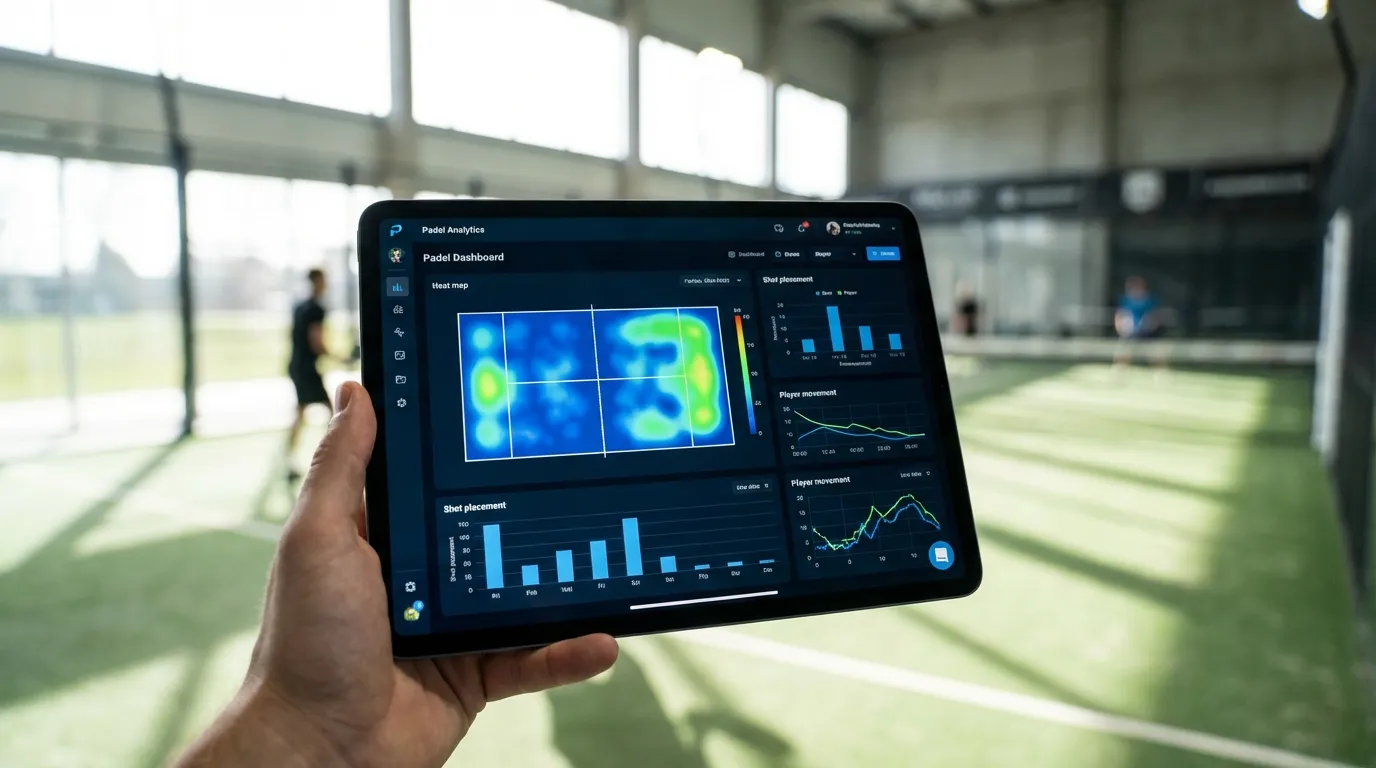
Deep Dive into Padel Metrics
Padel analytics has transformed how serious players approach their game development. While basic statistics like points won and unforced errors provide surface-level insights, advanced metrics reveal the hidden patterns that separate good players from great ones.
The foundation of effective padel analytics starts with understanding which metrics truly matter. Shot placement accuracy, measured by zones rather than simple in/out statistics, provides actionable data. When you track where your shots land in relation to your opponent's positioning, you create a heat map of effectiveness that goes beyond basic percentages.
First serve dominance rate represents a crucial metric often overlooked by amateur players. This measures not just first serve percentage, but how often your first serve leads to winning the point within the next three shots. Professional players maintain a first serve dominance rate above 65%, while intermediate players typically hover around 45-50%.
Rally length analysis reveals your playing style and identifies strategic weaknesses. By categorizing rallies into short (1-4 shots), medium (5-8 shots), and long (9+ shots), you discover which game phases favor you. If your win rate drops significantly in long rallies, your conditioning or shot selection under pressure needs attention.
Net approach success rate combines multiple data points into one powerful metric. This tracks your winning percentage when approaching the net, factoring in the quality of your approach shot, positioning upon arrival, and first volley placement. Elite players convert over 70% of quality net approaches into points.
Positional dominance metrics measure court control throughout matches. Advanced padel analytics systems track player positioning every second, calculating how often you occupy the optimal zones. Spending more than 60% of rally time in the front third of your court correlates strongly with winning percentages at all levels.
The serve-return differential quantifies the gap between your serving games and return games. A positive differential of +15% or higher indicates strong serving, while a negative differential highlights return game vulnerabilities. This single metric often predicts match outcomes more accurately than overall point percentages.
Shot variety index measures how predictable your game becomes under pressure. By analyzing shot type distribution across different game situations, you identify whether you fall into repetitive patterns. Players with higher variety indices (above 0.75 on a 0-1 scale) prove significantly harder to read and counter.
Predictive Analytics for Performance
Predictive analytics in padel uses historical data to forecast future performance and identify emerging trends before they become obvious. This proactive approach allows you to address weaknesses while they're still developing rather than after they've cost you matches.
Fatigue pattern recognition analyzes your performance degradation across match duration. By tracking shot quality, decision-making speed, and error rates in five-minute intervals, predictive models identify your typical fatigue threshold. Most players show measurable performance drops after 45-55 minutes of high-intensity play.
Momentum shift indicators use machine learning to identify the early warning signs of momentum changes. These algorithms analyze sequences of points, tracking factors like point duration, shot aggression levels, and positioning changes. When patterns matching historical momentum shifts appear, you receive alerts to make tactical adjustments.
Injury risk assessment models examine your movement patterns, shot mechanics, and workload distribution. Sudden changes in footwork patterns or compensatory movements often precede injuries by several sessions. Early detection allows you to modify training or seek professional assessment before problems escalate.
Opponent pattern prediction creates profiles of your regular competitors, identifying their tendencies in specific situations. After accumulating data from just three matches against the same opponent, predictive models achieve 70-80% accuracy in forecasting their shot selection in pressure situations.
Performance trajectory modeling projects your improvement rate based on current training data and historical patterns. These models help set realistic goals and identify whether your current practice regimen will achieve desired outcomes within your timeline. Adjustments to training focus can be made based on projected versus desired trajectories.
Match outcome probability engines calculate real-time win probabilities throughout matches. These systems consider current score, historical performance in similar situations, and recent momentum indicators. Understanding when you're statistically ahead or behind helps calibrate risk-taking and shot selection.
Weather impact analysis quantifies how different conditions affect your game. By correlating performance metrics with temperature, humidity, and wind conditions, you discover your optimal playing environment and prepare specifically for challenging conditions. Some players show 15-20% performance variance based purely on weather factors.
Peak performance windows identify the times of day and week when you perform best. Circadian rhythm analysis combined with performance data reveals patterns most players never consciously recognize. Scheduling important matches during your peak windows provides a measurable advantage.
Comparing Your Stats to Benchmarks
Benchmarking transforms raw statistics into meaningful insights by providing context. Understanding where you stand relative to players at various skill levels guides training priorities and sets realistic improvement targets.
Professional player benchmarks establish the gold standard for each metric. World Padel Tour players maintain first serve percentages above 75%, unforced error rates below 12%, and winner-to-error ratios exceeding 1.2. While amateur players shouldn't expect to match these numbers immediately, they provide directional targets for long-term development.
Age-adjusted performance standards account for physical differences across age groups. A 45-year-old player shouldn't compare their speed and power metrics directly to 25-year-old competitors. Age-specific benchmarks ensure fair comparisons and highlight areas where experience can compensate for physical differences.
Skill tier classifications in padel analytics typically divide players into six categories: beginner, intermediate, advanced, expert, semi-professional, and professional. Each tier has distinct benchmark ranges for key metrics. Intermediate players, for example, typically maintain point win percentages between 45-52%, while expert players range from 53-60%.
Playing style archetypes provide specialized benchmarks based on your strategic approach. Aggressive baseline players should compare themselves to others with similar styles rather than all-court players or defensive specialists. Style-specific benchmarks reveal whether you're maximizing your chosen approach or fighting against your natural tendencies.
Local competitive context matters significantly for recreational players. Being in the top 10% of your club provides different insights than ranking in the top 10% regionally or nationally. Padel analytics platforms increasingly offer geographic filtering to ensure relevant comparisons.
Improvement velocity benchmarks measure how quickly you're progressing relative to similar players. If you've improved your first serve percentage by 8% over three months while comparable players averaged 5%, you're on an accelerated trajectory. This metric helps validate training approaches and maintain motivation.
Consistency ratings compare your performance variance to benchmarks. Elite players show much smaller standard deviations in their key metrics across matches. High variance indicates unreliable performance, even if your average statistics look competitive. Reducing variance often yields better results than improving averages.
Matchup-specific benchmarks analyze your performance against different player types. You might perform above your overall benchmarks against aggressive players but below benchmarks against defensive specialists. These insights drive tactical preparation and practice focus.
Using Analytics for Strategic Planning
Strategic planning with padel analytics transforms data into competitive advantages through systematic application. The goal isn't just understanding your game but actively using insights to win more matches.
Pre-match preparation begins with opponent analysis. Review their recent match data to identify exploitable patterns. If analytics show they win only 35% of points when forced to hit backhands from the back corner, your game plan writes itself. Target that weakness relentlessly until they prove they've improved.
Practice session design should directly address analytical findings. If data shows your backhand volley success rate drops 20% when rushed, dedicate specific practice time to high-pressure backhand volleys. Analytics-driven practice ensures you're working on actual weaknesses rather than perceived ones.
In-match adjustments become more precise with real-time analytics. Modern apps provide live tracking, allowing you to identify when specific tactics aren't working. If your usual cross-court returns show a 15% lower success rate than normal, switch to down-the-line returns before the pattern costs you the set.
Partnership optimization uses analytics to maximize doubles team effectiveness. By analyzing both players' statistics, you identify optimal court positioning and shot distribution. Perhaps your partner's overhead success rate is 12% higher than yours—they should take more overheads even from your side when positioning allows.
Periodization planning structures your season using performance data. Analytics reveal your peak performance periods and natural valleys. Schedule important tournaments during predicted peak periods while using valley periods for technique refinement and rest.
Weakness prioritization matrices help decide which improvements offer the greatest return on investment. A metric showing 40% below benchmark deserves more attention than one 10% below benchmark, especially if the first metric appears more frequently in matches. Focus your limited practice time where analytics indicate maximum impact.
Strength exploitation strategies identify your most effective weapons. If analytics show you win 68% of points when successfully executing a specific shot pattern, build your game plan around creating those opportunities. Double down on what already works while addressing critical weaknesses.
Scenario planning uses historical data to prepare for specific match situations. Analytics reveal your performance in tiebreaks, when serving to stay in the set, or when leading by one break. Mental preparation and tactical planning for these high-leverage situations directly impacts match outcomes.
Long-term development roadmaps combine current analytics with aspirational benchmarks. Create a 12-month plan with quarterly milestones for each key metric. Track progress monthly and adjust training focus based on which areas are progressing as planned versus those lagging behind.
Frequently Asked Questions
What's the minimum number of matches needed for reliable padel analytics?
You need at least 10-15 matches worth of data for basic patterns to emerge reliably. However, 25-30 matches provide significantly more accurate insights, especially for situational statistics. For opponent-specific analytics, three matches against the same player yields useful patterns, though five or more creates highly reliable profiles.
Can analytics help recreational players or are they only valuable for competitive athletes?
Recreational players benefit enormously from padel analytics, often more than advanced players. Beginners and intermediates have more obvious improvement opportunities that data quickly identifies. Even tracking just three metrics—first serve percentage, unforced errors, and net approach success—provides actionable insights for players at any level.
How often should I review my analytics data?
Review detailed analytics weekly to identify trends without overreacting to single-match variance. Conduct comprehensive monthly reviews to assess progress toward goals and adjust training focus. Before important matches, review opponent-specific data and your recent performance in similar conditions or against comparable playing styles.
What's the single most important metric to track in padel?
While no single metric tells the complete story, point conversion rate in the front court (within 2 meters of the net) correlates most strongly with winning across all skill levels. Players who convert 65%+ of front court opportunities into points win significantly more matches than those below 55%, regardless of other statistics.
Do I need expensive equipment to collect meaningful padel analytics?
No, manual tracking using smartphone apps provides valuable insights without additional equipment. Many players successfully use basic apps that require simple input after each point. While automated tracking systems offer convenience and additional metrics, committed players can build comprehensive datasets using free or low-cost tools and manual entry.
Transform Your Game with Data-Driven Insights
Padel analytics represents the future of serious player development, making professional-level insights accessible to committed amateurs. By understanding deep metrics, leveraging predictive analytics, benchmarking your performance, and systematically applying insights to strategic planning, you gain advantages that translate directly into match wins. The players who embrace analytics today will dominate the courts tomorrow. Start tracking your key metrics now, and watch as data transforms your understanding of the game and accelerates your improvement beyond what traditional practice alone could achieve.

Marco Delgado
5 years in the industry
Former professional paddle player with 5 years of coaching experience. Marco has trained over 200 players from beginners to competitive athletes, helping them unlock their full potential on the court.
Related Articles

Social Features in Padel Apps: Build Your Network
Discover how padel social features transform your playing experience from isolated matches to a thriving community. Learn to build meaningful connections, find perfect partners, and create lasting friendships through smart app features while maintaining privacy and safety.
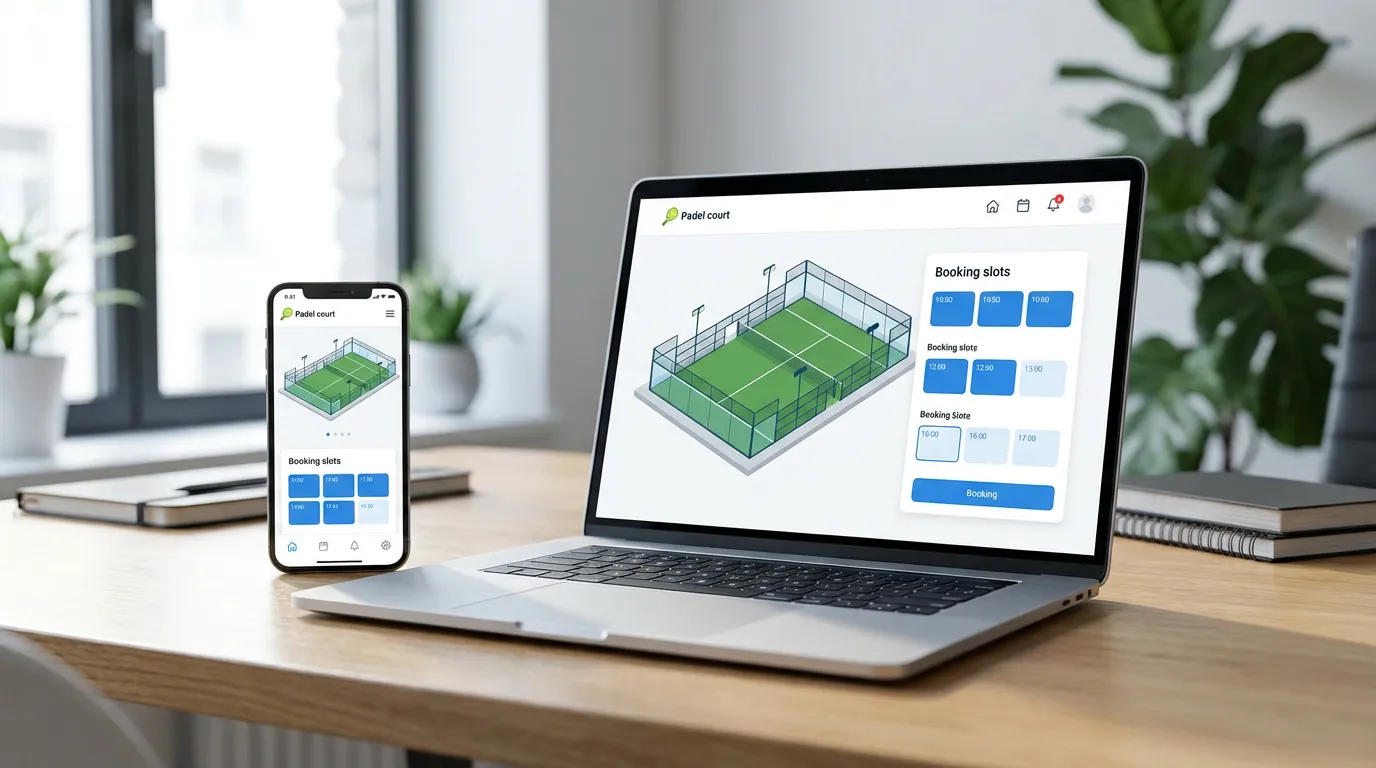
Mobile Padel Apps vs Web Apps: Which Is Better?
Discover the key differences between mobile padel apps and web-based platforms. Learn which solution best fits your playing style, technical needs, and booking habits with this comprehensive platform comparison.